Published: July 6, 2026 Last Updated: July 23, 2026
In an economy built on fragile supply chains and systemic uncertainty, the most radical act of self-reliance you can take is putting your hands in the dirt and growing your own food.
Growing a gardenhome garden A designated area around a residential property where individuals cultivate plants, fruits, vegetables, or ornamental plants for personal use. It comprises a farming system that combines physical, social, and economic functions on the area of land around a family home, providing a sustainable source of food and other benefits for the household, extended family, and friends. is not merely a pleasant hobby for a lazy Saturday afternoon; it is a fundamental assertion of human dignity and personal sovereignty. When store shelves fluctuate and the cost of living climbs, reclaiming the lost art of food production provides tangible security and peace of mind. Cultivating your own plot transforms you from a passive consumer at the mercy of external markets into an active steward of your own sustenance.
Mastering the basics does not require an agronomy degree or thousands of dollars in high-tech equipment. True resilience is built through small, consistent acts of faithful labor. When you take the initiative to plant a seed, nurture it, and harvest the fruit of your own honest work, you step outside the cycle of modern dependency. You create a physical anchor for your family, teaching the next generation that provision comes from steady stewardship and care.
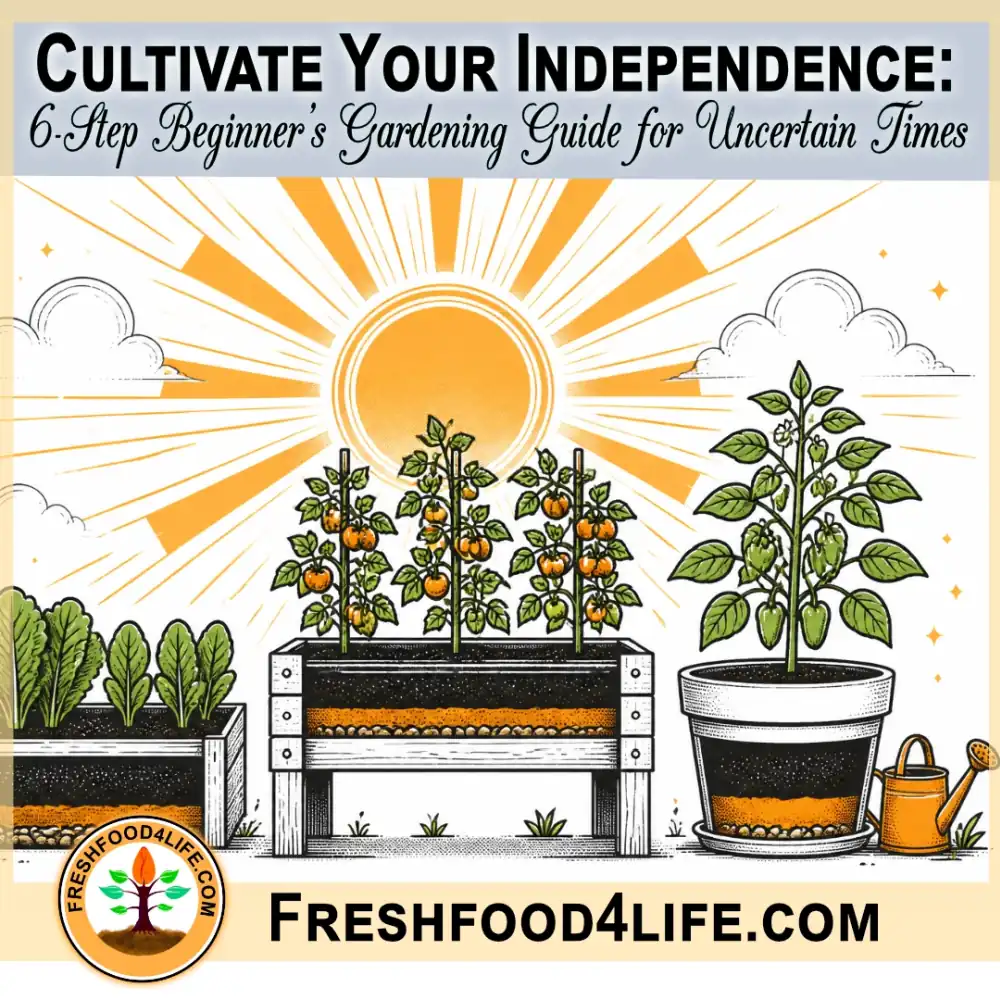
The 6 Steps to Begin Growing
- Pick the Right Spot and Container
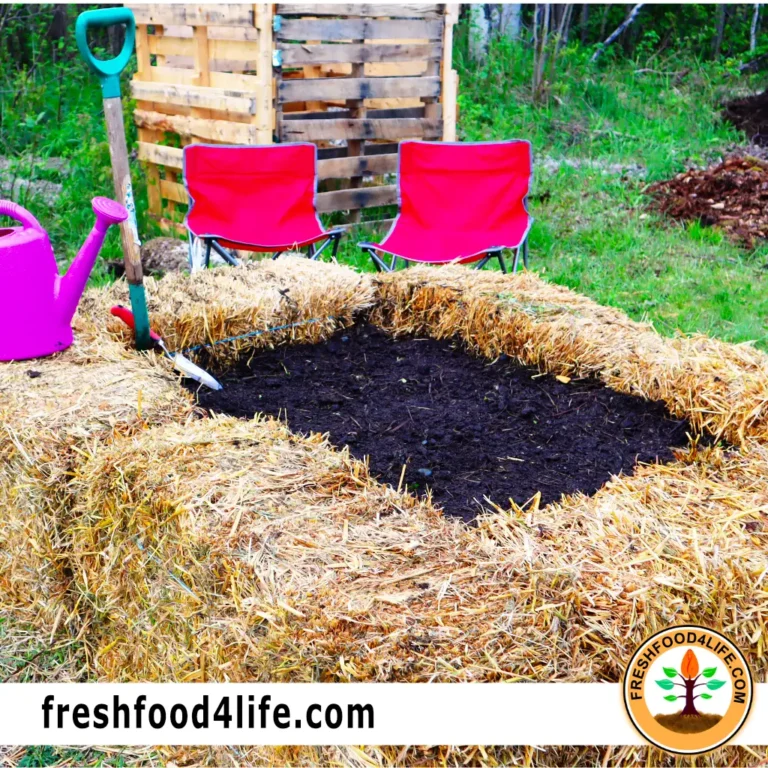
Begin by selecting a location that receives 6 to 8 hours of direct sunlight daily and sits near a water source, while avoiding low-lying spots where water pools after heavy rain. Decide whether you will plant directly in the ground, in a raised bedRaised Garden Bed Raised Garden Bed: a freestanding, elevated planting area constructed above ground level. It can be made of wooden walls, faux wood, plastic, concrete, or metal walls. It can be used to grow plants such as vegetables, fruits, flowers, and herbs. The height of a raised bed can typically be from as low as 6 inches above the ground level to 48 inches above the ground. The taller raised garden beds might be referred to as a deep raised bed., or in containers and pots depending on your yard space, soil quality, and convenience. - Prepare Rich, Crumbly Soil
Healthy plants need healthy dirt, so look for soil that is dark, loose, and crumbly. Mix in organic matter like compost or aged manure to boost nutrients and ensure the ground drains properly within a couple of hours after watering. - Choose Easy Beginner Crops
Start with resilient, high-success plants rather than complicated varieties. Plant reliable choices like tomatoes, green beans, lettuce, and radishes, or easy herbs like basil and mint to build your confidence early. - Plant Seeds and Seedlings Correctly
Read your seed packets or starter tags carefully for the right depth and spacing. As a general rule of thumb, plant seeds about twice as deep as they are wide, or use ready-to-go starter seedlings for faster results. - Water Deeply and Mulch Smartly
Water your garden deeply a few times a week rather than a little bit every day to encourage strong, deep roots—ideally in the early morning. Apply a 2-to-3-inch layer of straw or wood chip mulch around your plants to block out weeds and keep the soil cool. - Protect and Harvest Your Yield
Keep an eye out for pests, handling them naturally with soapy water or handpicking rather than harsh chemicals. Pick your vegetables as soon as they look ripe and full so the plant keeps producing all season long.
True security is found not in the shifting promises of centralized systems, but in stewardship of the land, honest labor, and the foundational provision that in the earth.
Are you ready to plant your first seed today, or what is holding you back from starting your garden plot? Drop a comment below.